Best Sounding Records Under $10: A Used Bin Field Guide
Used bins are where vinyl collecting either becomes an obsession or an expensive disappointment. The difference usually comes down to knowing which titles to reach for and which ones to set back down. This guide covers seven albums that reliably show up in crates across the country, almost always fall under $10 in VG or better condition, and reward a decent system with genuinely excellent sound.
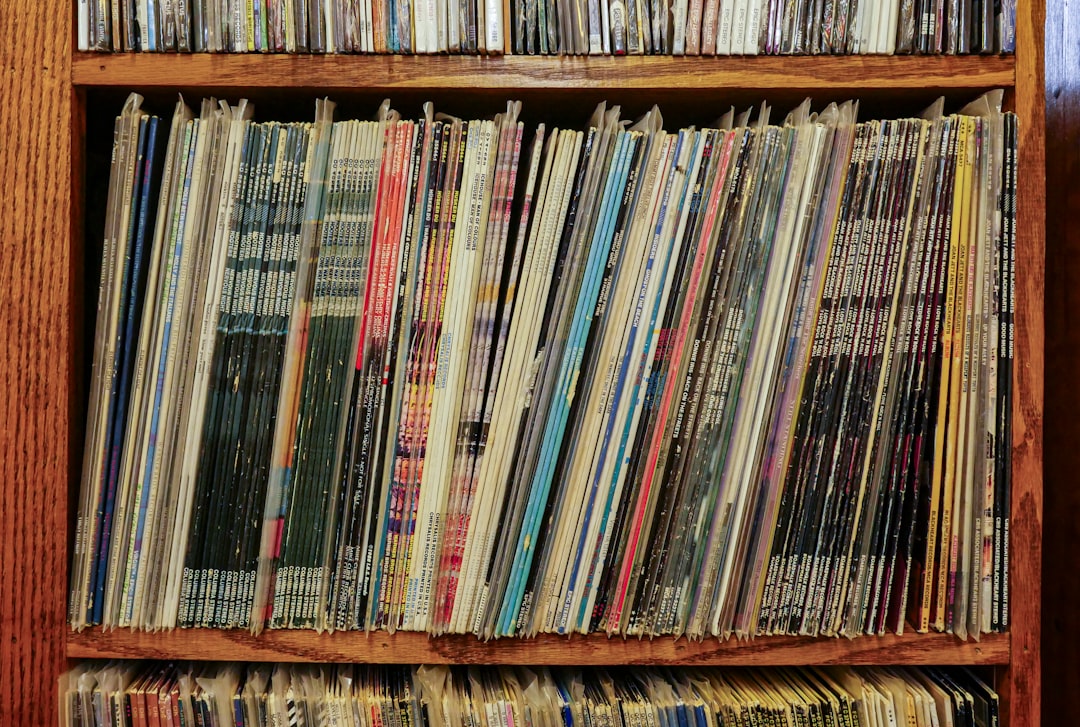
Photo by Mick Haupt on Unsplash
This is not a list of the rarest or most collectible pressings - those require research, patience, and sometimes real money. This is a list built for the person who walks into a thrift store or record shop with $30 and wants to leave with something worth playing.
How to Evaluate a Record in the Bin
Before diving into specific titles, a quick word on the process. You can do a meaningful quality check in under a minute without a testing turntable.
Hold the record up to a light source at a low angle. What you are looking for is the difference between surface scratches (light, linear marks that may or may not affect playback) and pressing defects (circular or radial marks baked into the vinyl itself, which cannot be cleaned away). Scratches that do not catch your fingernail lightly typically clean out. Deep scratches and pressing defects are permanent.
Check the inner groove area - the last inch or two of playing surface near the label. This is where distortion problems concentrate on worn records. If you see heavy groove wear in that zone, the record has been played at high tracking force many times and will likely sound harsh on inner tracks regardless of how clean it looks elsewhere.
In our experience digging through bins at both thrift stores and dedicated record shops, the single most useful filter is sleeve condition versus record condition. A record in a beat-up sleeve is often unplayed. A record in a pristine sleeve is sometimes a result of someone rehousing a worn copy to sell it faster.
For a deeper look at grading standards before you go shopping, our guide to how to buy used vinyl covers the full VG, VG+, NM system in detail.
Seven Used Bin Records That Actually Sound Great
Miles Davis - Kind of Blue (1959)
Kind of Blue is the most widely pressed jazz LP in history. Nearly every record store in the country has at least one copy in the bins, usually priced between $3 and $8. The original CBS/Columbia pressings from the 1970s and early 1980s - identifiable by the “CBS” logo or “360 Sound” label - are sonically excellent and genuinely common.
What makes this record worth owning on vinyl specifically is the weight of the low end and the sense of air around each instrument. Cannonball Adderley’s alto sax sits distinctly separated from Miles in the stereo field, and Bill Evans’s piano has a physicality that digital versions consistently fail to reproduce at the same level. On AllMusic, Kind of Blue is catalogued as one of the best-recorded jazz albums of its era - and the pressing quality bears that out.
Pass on copies where the label shows “STEREO RECHANNELED FOR STEREO” - those are fake stereo transfers from the original mono recording and do not sound as good as genuine stereo pressings.
John Coltrane - A Love Supreme (1964)
This one requires slightly more patience than Kind of Blue because clean copies move faster, but they still turn up regularly. Look for Impulse! label pressings from the 1960s or early 1970s - the orange-and-black “Van Gelder” stamped pressings are the target. The recording is dense and demanding, with Elvin Jones’s drumming occupying a physical space in the room that is difficult to describe until you hear it on a good system.
Budget $6-$10 for a solid copy. Condition is more critical here than with Kind of Blue - a heavily played copy of A Love Supreme loses the subtle textural detail in the rhythm section that makes the record exceptional.
Fleetwood Mac - Rumours (1977)
Rumours may be the most ubiquitous album in used bins after Thriller. Copies are everywhere, most are reasonably well-preserved, and the record was mastered with genuine care for audio quality. The Warner Bros. pressings from the original US run are consistent performers. Look for a small “W7” or the original catalog number WB 3010 on the label.
What makes Rumours worth having on vinyl rather than streaming is the stereo spread - Lindsey Buckingham’s acoustic guitar parts sit in the left channel with a texture that compressed digital audio rounds off. The snare crack in “The Chain” hits differently at proper playback volume on a decent speaker setup.
Steely Dan - Aja (1977)
Aja was recorded specifically to be an audiophile reference record. The engineers working with Walter Becker and Donald Fagen spent exceptional time on the mix, and the result is a pressing that rewards a resolving system more than almost anything else in this price range.
Clean used copies in the $5-$8 range are not hard to find. The original ABC Records pressings (catalog ABC-1006) are the target. Avoid the late-1970s MCA reissues if you have a choice - they were cut with less care and it shows on the inner tracks.
We have used Aja as a reference disc when evaluating phono cartridges and preamps. The dynamic range is wide enough that a poorly matched cartridge reveals itself immediately on “Deacon Blues” - the vocal sits either centered and present or collapsed and nasal, depending on channel balance and tracking accuracy.
The Beatles - Abbey Road (1969)
Abbey Road appears in nearly every used bin, which means you can afford to be selective about condition. Pass on copies with heavy inner groove wear - the medley on Side 2 has some of the densest low-frequency content on the record, and worn pressings become audibly distorted before the sequence ends.
Target the early Apple label pressings with the “Her Majesty” listed in the credits. The original UK Parlophone pressings are better than US Apple releases, but US copies in VG+ condition still sound excellent. Budget $5-$8 and check two or three copies before committing - the variation in pressing quality across different production runs is real.
Led Zeppelin - IV (1971)
Zeppelin IV is another record so commonly pressed that finding a solid copy is mostly a matter of patience. The original Atlantic SD 7208 pressings are the target. “When the Levee Breaks” was recorded in a stairwell specifically to capture the room sound, and on a good pressing through decent speakers, John Bonham’s kick drum is felt as much as heard.
Check the label for “MANUFACTURED BY ATLANTIC RECORDING CORP” - early pressings with direct text on the label rather than a small-print copyright notice tend to be first or second pressings with better mastering.
Simon and Garfunkel - Bridge Over Troubled Water (1970)
This is an easy one to overlook because it appears so frequently and because copies are often in tired condition. But a VG+ copy of the Columbia KC 9914 pressing sounds genuinely beautiful on a system with good imaging. Art Garfunkel’s vocal on the title track has a quality that heavily compressed digital playback actively works against - a real sense of the room and of breath that only an uncompressed analog source delivers.
Budget $3-$5. The bar for condition on this title is worth raising slightly higher than average because so many copies were played heavily in the 1970s.
What to Do With a Used Record Before You Play It
Every used record should be cleaned before its first play. Pressing compound, fingerprints, and residue from old inner sleeves all sit in the groove and transfer directly to your stylus.
A Boundless Audio Vinyl Record Cleaning Brush handles most dry cleaning needs before and after each play. For records pulled from used bins - which may have sat in cardboard sleeves for decades - a wet clean with a Big Fudge 4-in-1 Vinyl Record Cleaning Kit removes embedded contamination that a dry brush cannot reach. After cleaning, replace the original paper inner sleeve with a fresh Mobile Fidelity LP Inner Sleeve - the paper and cardboard sleeves used in original pressings shed particles that recontaminate the groove over time.
For a complete walkthrough of wet and dry cleaning methods, see our guide on how to clean vinyl records.
Pressing Quality Matters More Than Title
The records above are listed because they were pressed in large quantities from well-made masters. That matters. An album pressed in a single small run from a mediocre master will never sound as good as a major-label pressing from a well-maintained stamper.
When you are digging, the catalog number printed on the label is your primary research tool. A quick look at the matrix inscription (the hand-etched or machine-stamped text in the dead wax, just inside the label) can tell you the pressing generation - lower numbers generally mean earlier stampers, which are typically quieter and more detailed.
You do not need to become an expert in matrix codes to dig productively. Start by learning the label and catalog number patterns for the titles above. Once you can identify an early ABC Aja pressing by sight, the skill transfers to the next title you dig into.
Recommended Products
- Boundless Audio Vinyl Record Cleaning Brush - Carbon fiber anti-static brush for routine dry cleaning before and after every play.
- Big Fudge 4-in-1 Vinyl Record Cleaning Kit - Wet cleaning solution, brush, drying cloth, and velvet applicator. A practical first kit for cleaning used bin finds.
- Mobile Fidelity LP Inner Sleeves - Rice paper and polyethylene lined sleeves that protect cleaned records without shedding particles. Worth replacing old paper sleeves on anything you plan to keep.
Bookmark this guide and check out our how to buy used vinyl breakdown next - it covers the grading system, what to negotiate on price, and how to spot re-housed copies.
As an Amazon Associate we earn from qualifying purchases at no extra cost to you.